

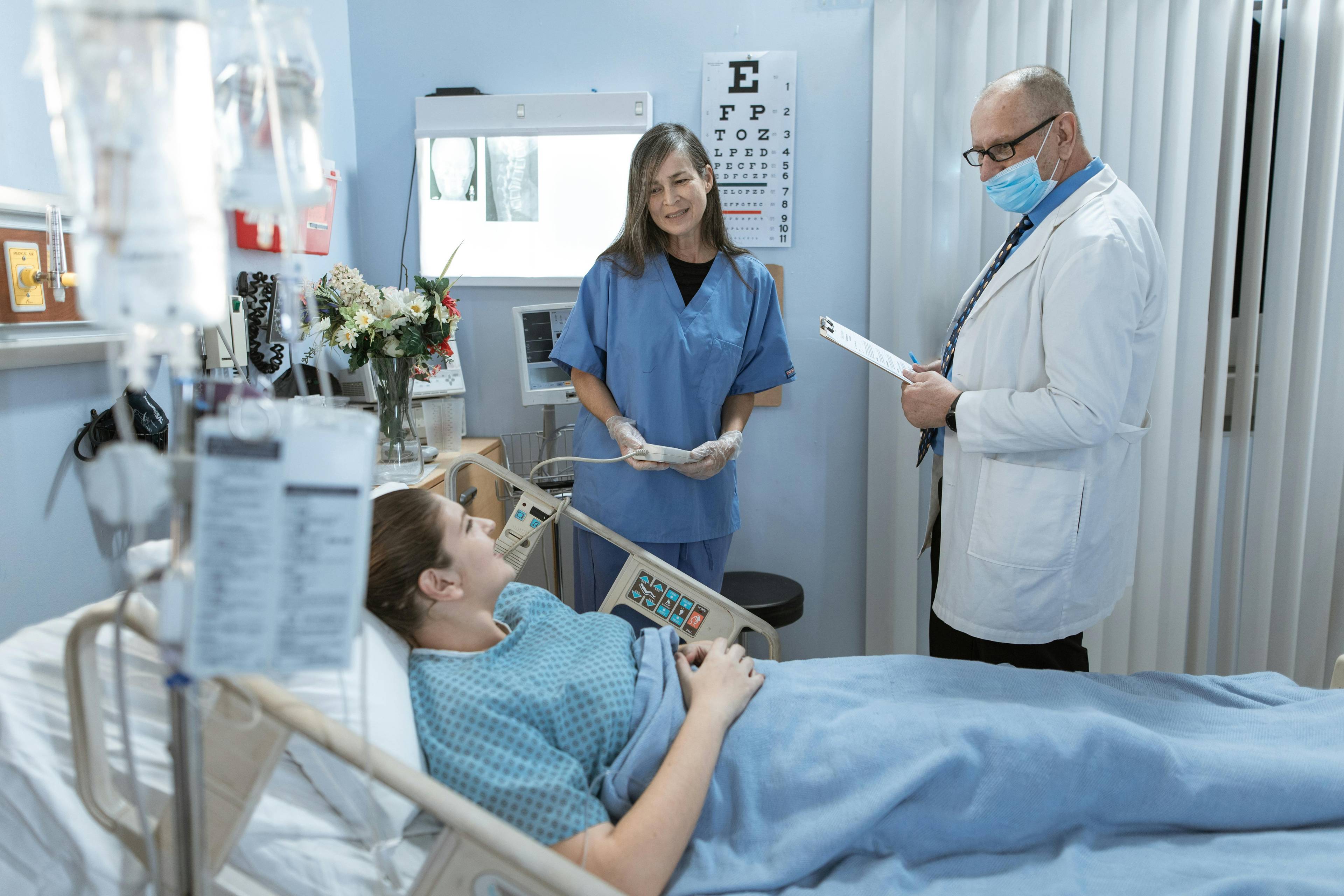
Fluid status is rarely captured by a single physical examination finding. A strong renal presentation combines the patient’s symptoms, weight trajectory, vital signs, urine output, examination, laboratory results, imaging, and response to treatment.
The goal is not simply to label the patient as “wet” or “dry.” It is to communicate the evidence, physiologic interpretation, and immediate clinical concern.
Begin With Kidney Function
Report:
- Baseline creatinine
- Current creatinine
- Time course of the change
- Estimated filtration when relevant
- Urine output
- Previous kidney disease
- Recent dialysis requirements
Example:
“The patient’s creatinine increased from a baseline of 1.1 to 2.4 mg/dL over three days, with urine output decreasing to approximately 0.4 mL/kg/hour.”
Avoid saying only that “the creatinine doubled.” Provide the values and timeline.
Quantify Urine Output
Useful terms include:
- Oliguria: abnormally low urine output
- Anuria: absent or extremely low urine output
- Polyuria: abnormally high urine output
- Nonoliguric kidney injury: reduced kidney function without marked reduction in urine output
Report whether the number is measured or estimated and over what period.
Present The Volume Evidence
Symptoms
Ask about:
- Dyspnea
- Orthopnea
- Exercise tolerance
- Thirst
- Dizziness
- Rapid weight change
- Swelling
Examination
Report:
- Blood pressure and orthostatic changes
- Heart rate
- Jugular venous pressure
- Mucous membranes
- Lung sounds
- Peripheral edema
- Ascites
- Skin temperature
- Capillary refill
No individual sign is perfectly reliable. Interpret the findings together.
Use Weight And Balance Carefully
Report:
- Admission weight
- Current weight
- Known dry or target weight
- Documented intake and output
- Net balance
- Unmeasured losses
- Reliability of the records
A positive documented balance does not always equal true fluid accumulation if intake or output measurements are incomplete.
Connect Laboratory Findings To Physiology
Relevant data may include:
- Sodium
- Potassium
- Bicarbonate
- Urea nitrogen
- Creatinine
- Albumin
- Urine sodium
- Urine osmolality
- Proteinuria
- Urine sediment
Do not list every number without interpretation.
For example:
“Hyponatremia with concentrated urine and clinical congestion suggests impaired free-water excretion in a hypervolemic state.”
Report Treatment And Response
Include:
- Diuretic type, dose, and route
- Urine output after treatment
- Weight change
- Symptom improvement
- Blood pressure response
- Creatinine and electrolyte changes
- Dialysis or ultrafiltration performed
Instead of saying “the patient received furosemide,” say:
“The patient received 80 mg of intravenous furosemide and produced 1.2 liters of urine over the following six hours, with improvement in dyspnea.”
Communicate Uncertainty
Useful phrases include:
- “The examination suggests volume overload.”
- “The patient has peripheral edema but may have reduced effective circulating volume.”
- “The documented fluid balance may be incomplete.”
- “The cause of the hyponatremia remains uncertain.”
- “Additional information is needed to distinguish decreased intake from ongoing renal losses.”
Precision is more valuable than false certainty.
End With The Assessment And Plan
A concise assessment might be:
“Acute kidney injury with oliguria and clinical volume overload, likely multifactorial in the setting of decompensated heart failure and recent contrast exposure.”
The plan should address:
- Immediate respiratory or hemodynamic risk
- Medication adjustment
- Fluid or sodium management
- Diuretic strategy
- Electrolyte monitoring
- Urine studies
- Imaging
- Nephrology consultation
- Possible dialysis indications
Professional Conduct
During an observership, follow the institution’s rules regarding patient interaction, documentation, and access to protected information. Present only cases you are authorized to discuss and remove unnecessary identifiers from educational notes.
Conclusion
A strong renal presentation answers five questions:
- How has kidney function changed?
- How much urine is the patient producing?
- What evidence describes the volume state?
- What is the likely mechanism?
- How has the patient responded to treatment?
The most useful presentation does not merely list renal findings. It connects them to physiology and the next clinical decision.
References
- Kidney Disease: Improving Global Outcomes. KDIGO 2024 Clinical Practice Guideline for the Evaluation and Management of Chronic Kidney Disease.
- National Kidney Foundation. Fluid Overload In A Dialysis Patient.